Box
Office (317) 835-2020
Toll-Free (800) 820-1313
Email: cabaret@boggstown.com
For a such a small town, people have lots of big questions about both the history of Boggstown (the place) and Boggstown (the cabaret). We included this page to give you some history on both!

Sugar Creek township in Shelby County was founded in 1823. Boggstown was planted in 1867. It was named for Joseph Boggs, who established the tobacco factory which made plug tobacco, which was peddled by wagon through Central Indiana, Eastern Illinois, and Western Ohio. As the town grew, besides tobacco, there was a general merchandising firm that became well established and sent their merchandise throughout Central Indiana.
Historically speaking, Boggstown's "claim to fame" came when the town fathers, (after much debate, which was a favorite pastime of that era) passed a resolution to secede from the Union in the event of a Civil War. (This was on February 16, 1861) While the resolution was considered merely a statement, and after the advent of the war actual loyalty and support of the townspeople and surrounding area was given to the North, the resolution made quite a stir through the publicity given to it in Southern and Western newspapers. In 1961, a suggestion was made to rescind the resolution; however it was felt best to leave the resolution as it stood.
![]()
One of the most frequently asked questions we get at the Cabaret
is "How did you end up HERE?"
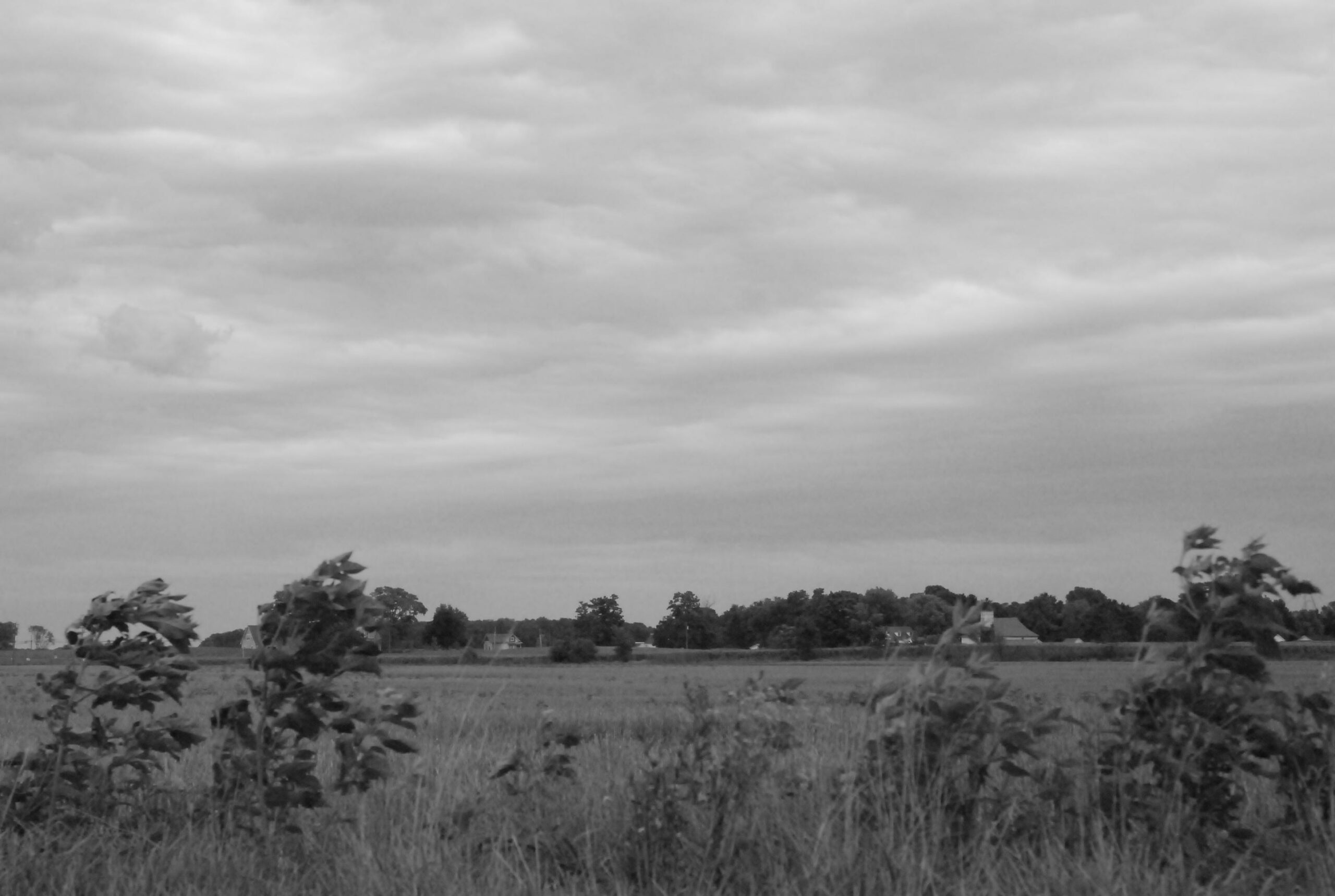
Obviously, if we were starting out today, putting a dinner theatre
in the middle of a cornfield would be a little crazy. Carrying
on an almost 25 year old tradition of live music and comedy in the
middle of a cornfield, however, is both an honor and a privilege for
us. Keep reading to see how we started, where we've been and
where we're going!
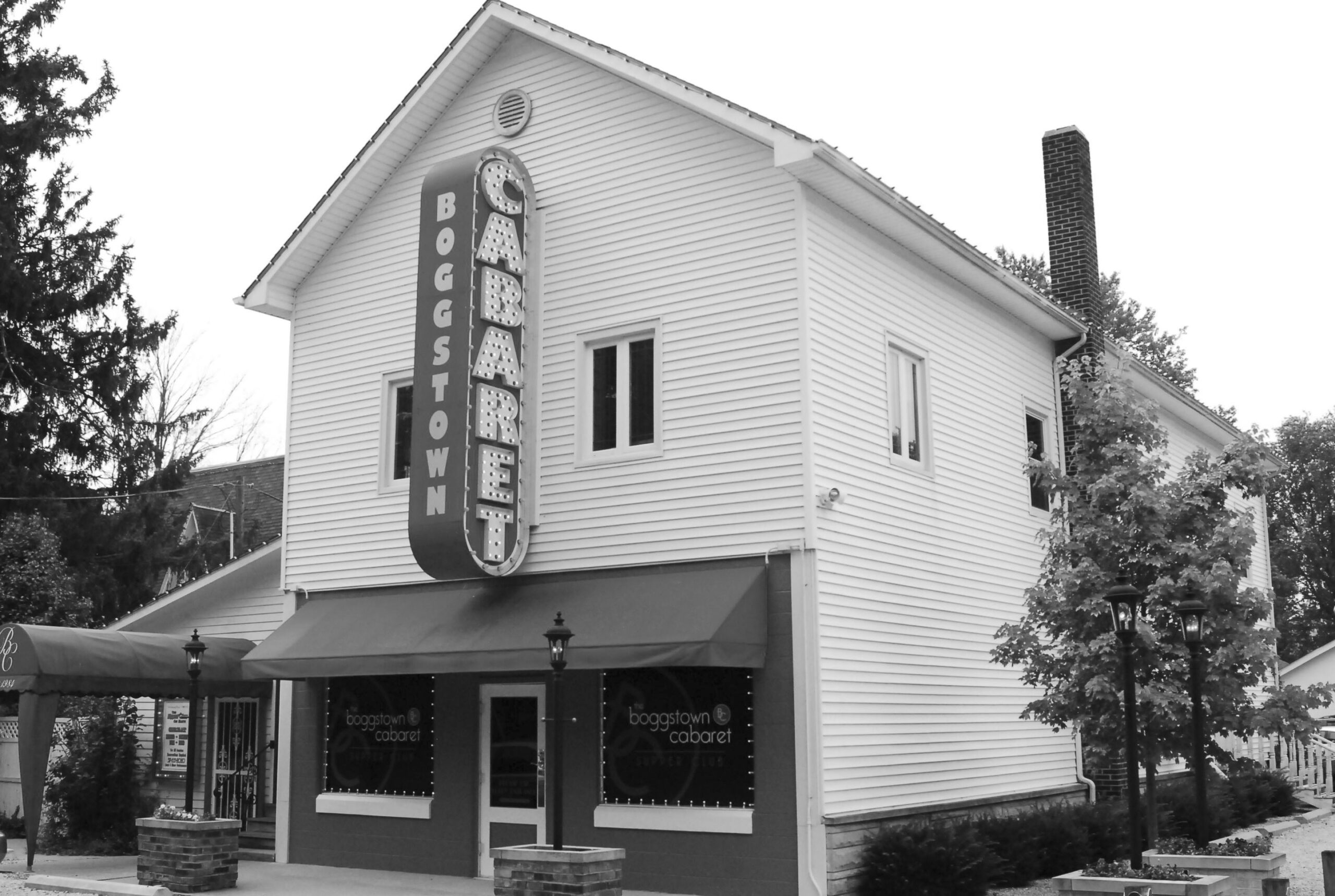
The cabaret building was built in 1873, and housed the first "Red Man's Lodge" in the State of Indiana. Situated next to the Seventh Day Adventist Home for Unwed Mothers, the building, believed to be haunted, overlooked the Cincinnati and Martinsville railroad. For many years, the commercial building was Boggstown's General Store and Barber Shop.
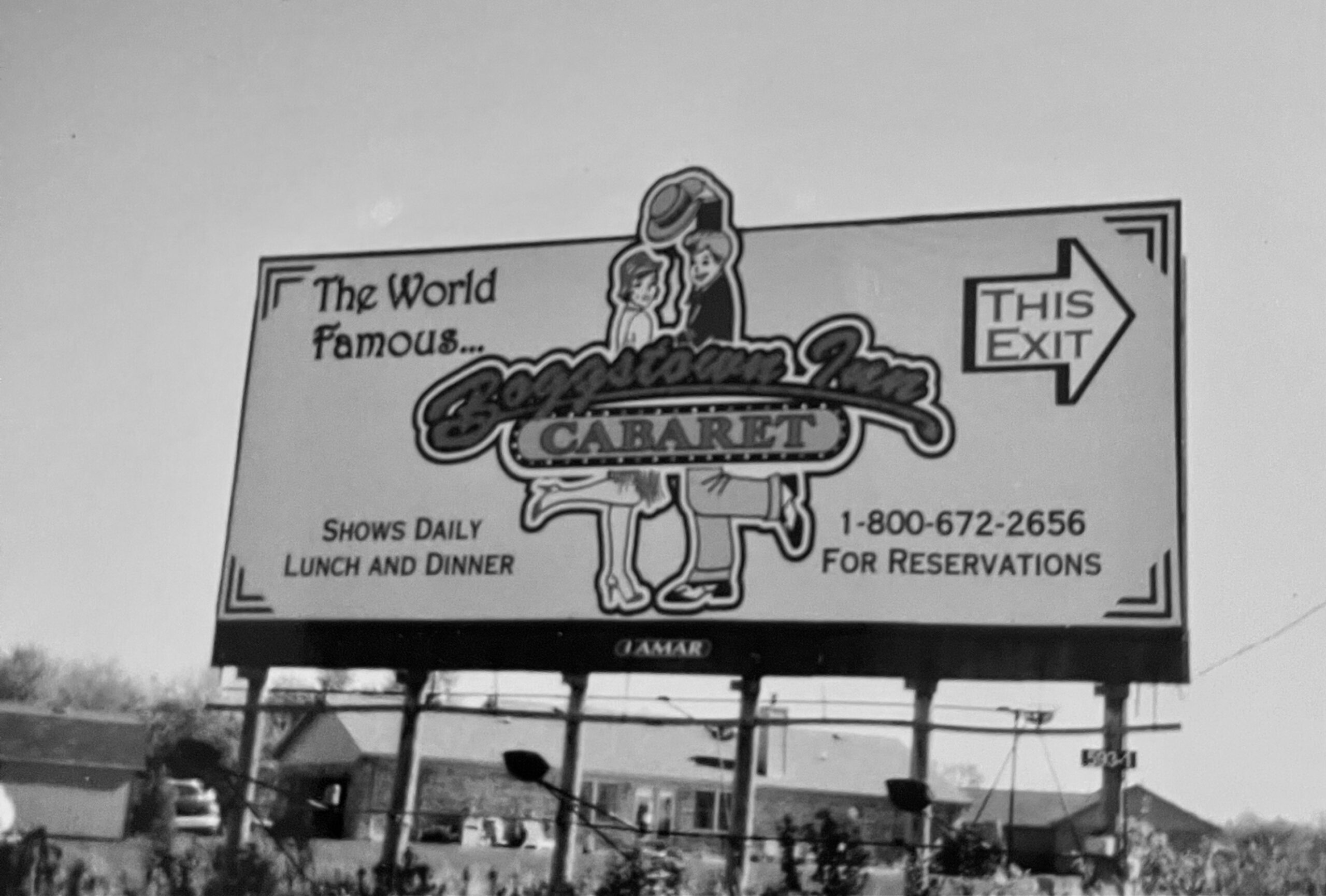
Originally called the Boggstown Inn and Cabaret,
this musical establishment opened its doors in 1984 and quickly
became Hoosier destination.
Emphasizing the art of dual piano and banjo music. The cabaret provided musicians the opportunity to play their favorite tunes, tell stories and jokes, and provide ragtime music from the turn of the century through the year 1929.
The 1920s theme provided the perfect backdrop for the Indiana Ragtime Society. Cloaked in informal burlap and picnic style seating, one could enjoy intimate, down-home style entertainment in an historic building, creating a very unique experience.
The Boggstown Cabaret moved aggressively into the
next century with new ownership in 1999. The logo was quickly
changed to incorporate both a boy and a girl, and the Olde English
lettering was changed to a more advanced style, appreciating the
historic appeal while acknowledging the future.
The burlap was removed and the plain brick backdrop replaced with
a full set, reminiscent of
the famed supper clubs of the 1920s and 30s. Bright colors and
extreme attention to detail have transformed the informal
entertainment venue into a warm and cheerful environment.
Understanding the need to appeal to all ages, the Boggstown Cabaret offers Professional Entertainers and Live Music, along with professional costumes, lighting and theatrical effects. We continue to grow and improve every year.
The most well known person from this area was Marjorie Main.
Her real name was Mary Tomlison and she lived her teenage life on the first road north of Boggstown (300 N); however she attended the Fairland school, rather than Boggstown.
She made 82 pictures, including Meet Me in St. Louis and The Women. She was best known as Ma Kettle.